

Unlock Proactive Safety Engineering
Accelerate Safety-Critical Decision Making with the Digital Risk Twin
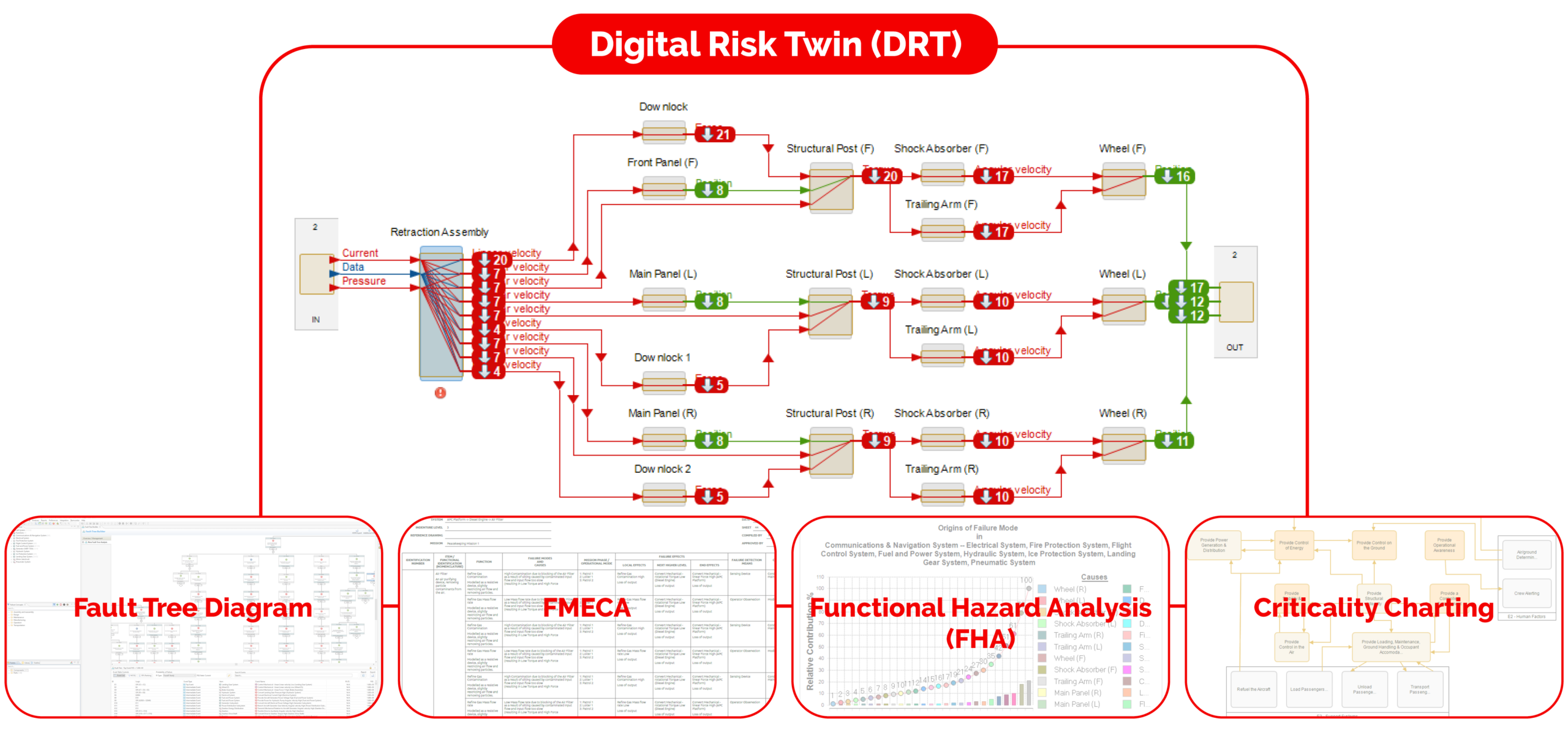
The Safety and Risk Assessment (SRA) Module within the MADE reliability software platform revolutionizes how engineers manage technical risk across the lifecycle of complex systems. At the heart of this reliability software module is the Digital Risk Twin (DRT), a dynamic, model-based representation of system behavior, failure impacts, and safety risks—enabling proactive, data-driven safety engineering from concept through sustainment.
From Compliance to Competitive Advantage
Integrated Hazard Intelligence
MADE SRA automates the generation of safety analyses directly from system models, ensuring alignment between engineering intent and safety evidence. By embedding safety logic into the engineering model, the MADE relaibility software creates a living source of truth that evolves with the system design. This integration supports faster, more accurate risk identification and enables early decision-making in complex, time-critical programs. This integration allows engineers to:
SRA Module High-level Features
Model-Based Risk Assessment for Safer Systems

Certification-Ready Safety Evidence
Achieving regulatory certification for complex, safety-critical systems can be one of the most resource-intensive stages in the product lifecycle. The MADE SRA Module streamlines this process by embedding model-based safety assessments directly into the engineering workflow, producing consistent, traceable, and standards-aligned outputs at every stage of development.
Designed in accordance with ARP4761 Rev A, the MADE reliability software SRA module auto-generates key artifacts and maintains traceability between system models, hazard analyses, and risk mitigations. This ensures that your safety evidence is always aligned with the latest system design, eliminating the risk of data drift and manual rework.
SRA outputs directly support:
Certification packages – Generate structured safety deliverables that align with industry expectations and regulatory frameworksDesign justification – Provide objective, data-driven rationale for safety-related design decisionsRisk traceability audits – Maintain a full audit trail linking hazards, mitigations, & verification activities across system lifecycle stagesCompliance demonstration – Show adherence to functional safety & aviation requirements: ARP4761, DO-178C and MIL-STD-882ECross-discipline integration – Facilitate collaborative safety case development across engineering, quality, and certification teams
Hazard to Insight: MADE’s SRA Module
Find Out How – Download the MADE SRA Module Brochure
Click the image to download and see how MADE transforms your RAMS strategy into a competitive advantage.
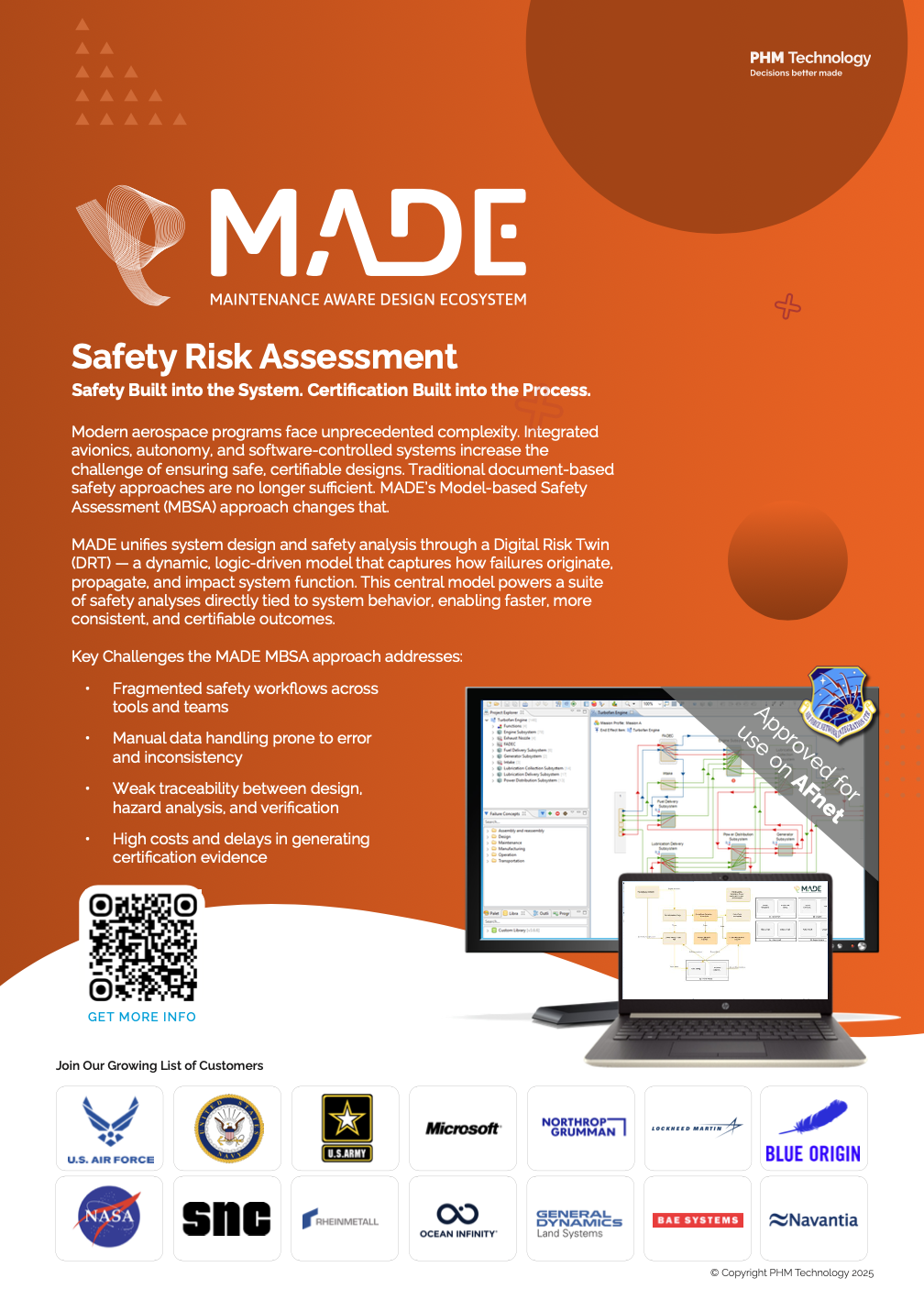
Engineer Safety with Confidence
Automated Risk & Safety Assessment in One Unified Module
The MADE Safety Risk Assessment (SRA) Module empowers engineers to proactively manage system risk, optimize safety-critical designs, and streamline certification. By integrating functional hazard analysis, fault modeling, and criticality assessment into a single, model-based environment, SRA transforms traditional safety processes into a seamless part of the design lifecycle. From early hazard identification to audit-ready evidence, this module delivers clarity, consistency, and compliance, at the speed of innovation.
Key capabilities of this module include:
Functional Model (ARP4761 Rev A)
Create a functional model of the system (hardware independent)
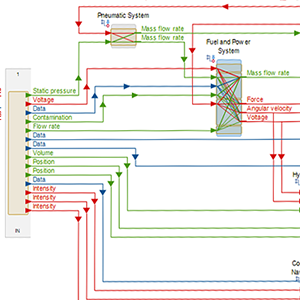
Functional Hazard Assessment (FHA) (ARP4761 Rev A)
Identify potential hazards that can arise based on the Functional Model
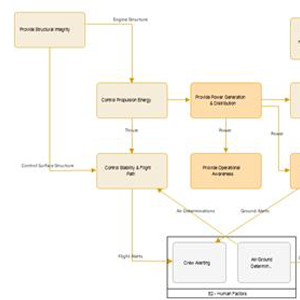
Criticality Analysis
Analysis to auto-generate component criticality in a system based on user defined criticality profiles
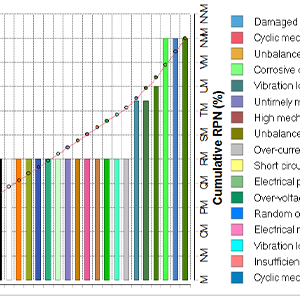
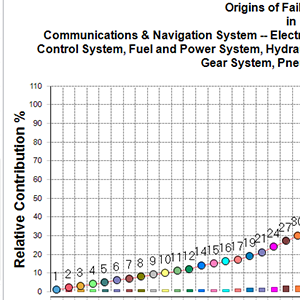
Criticality Charting
Dashboards key criticality metrics for the system (component, system)
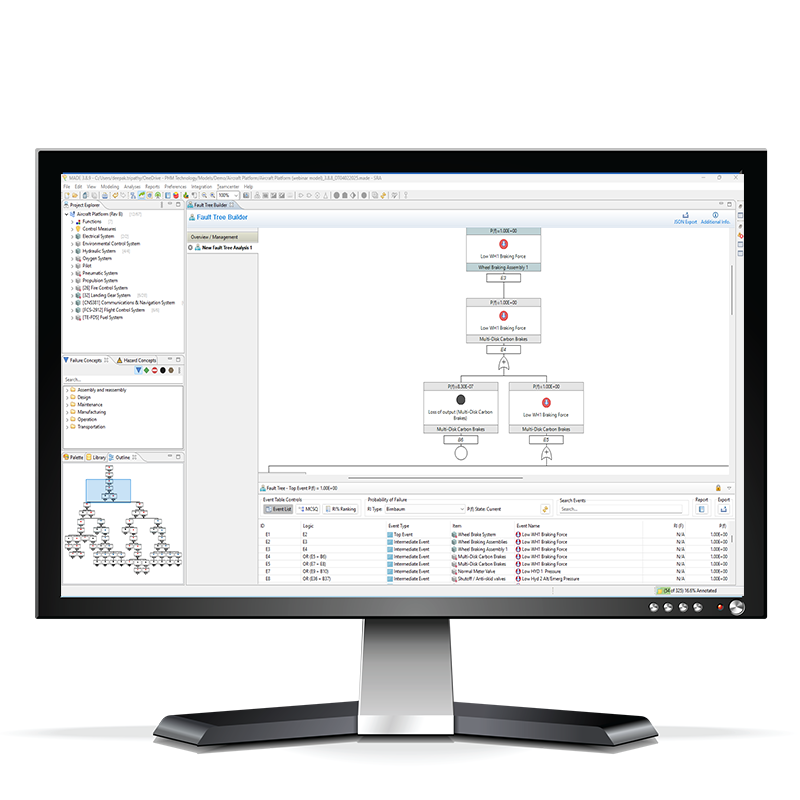
Fault Tree Analysis (Functional)
Auto-generate Functional Fault Tree Analyses based on model pathing
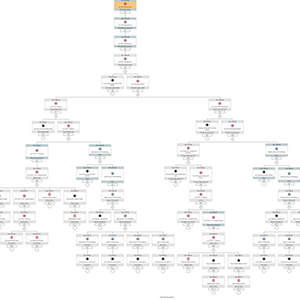
Fault Tree Analysis (Hardware)
Auto-generate Hardware Fault Tree Analyses based on RBD configuration
Fault Tree Analysis (User-defined)
Generate Functional Fault Tree Analyses independent of model structure
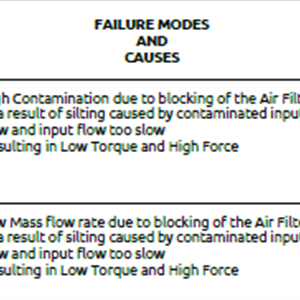
Failure Mode, Effects and Criticality Analysis (FMECA)
Auto-generate a FMECA based on the system model specified and criticality profile.
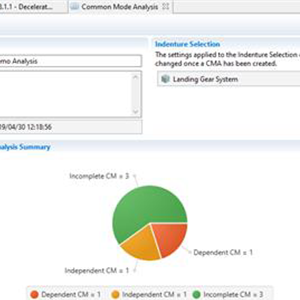
Common Mode Analysis (CMA) (ARP4761 Rev A)
Automated analysis to identify common failures modelled in the system
Control Measures
Customise Control Measures for your project to reduce risk and reduce criticality of any selected failure
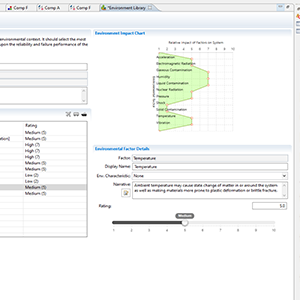
Start Your MADE Software Journey Today
Let’s explore how the MADE Realibility Software can transform your engineering processes
Whether you have a specific challenge in mind or just want to learn more, we’re here to help. Fill out the form below and one of our experts will get back to you shortly with insights tailored to your needs.
Related Whitepapers
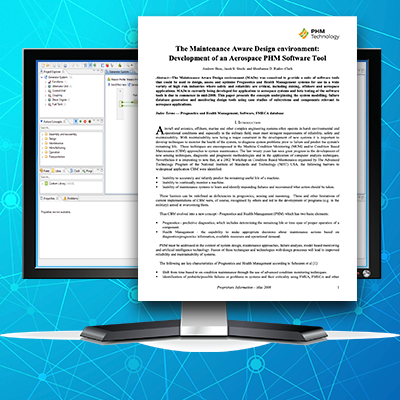
MADE: Development of an Aerospace PHM Software Tool
The Maintenance Aware Design environment (MADE) was conceived to provide a suite of software tools that could be used to design, assess and optimise Prognostics and Health Management systems for use in a wide variety of high risk industries where safety and reliability are critical, including mining, offshore and aerospace applications. MADE is currently being developed for application to aerospace systems and…
Download the paper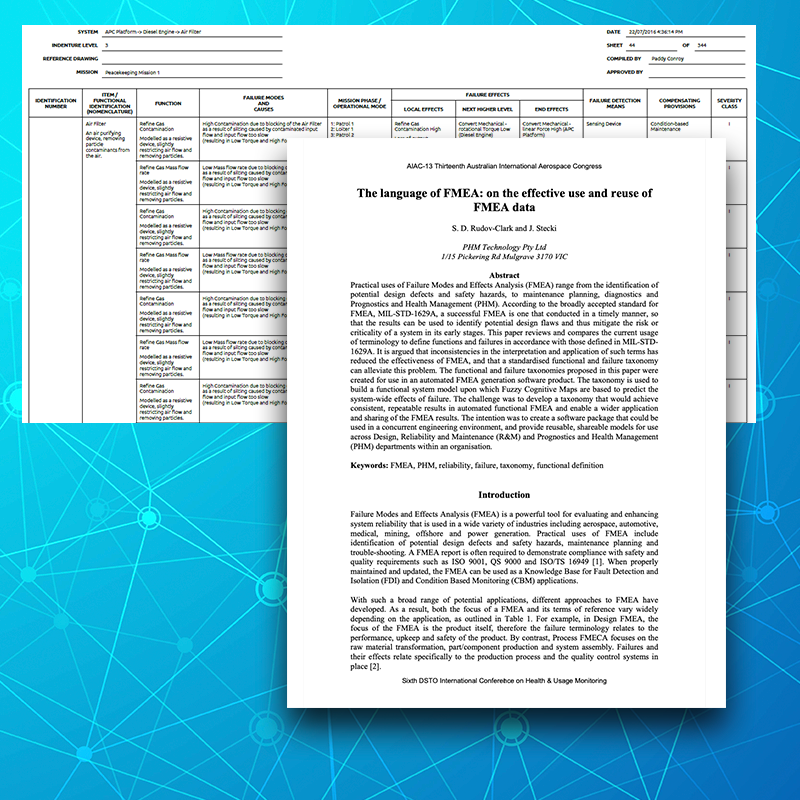
language of FMEA: effective use and reuse of FMEA data
Practical uses of Failure Modes and Effects Analysis (FMEA) range from the identification of potential design defects and safety hazards, to maintenance planning, diagnostics and Prognostics and Health Management (PHM). According to the broadly accepted standard for FMEA, MIL-STD-1629A, a successful FMEA is one that conducted in a timely manner, so that the results can be used to…
Download the paper