

Reliability by Design: Concept to Sustainment
Maximize uptime, reduce lifecycle costs, and design with confidence.
The MADE RAM Module helps you predict and prevent system failures, optimize hardware redundancy, and set reliability targets that align with mission goals. From early design through operations, it enables cost-effective maintenance strategies tailored to real risks, ensuring smarter decisions and sustained system performance.
Reduce Downtime, Boost Performance
Reliable Insights for Smarter Engineering
The RAM Module leverages the Digital Risk Twin to transform how reliability and maintainability are analyzed, evaluated, and optimized. By digitizing technical risk across the full lifecycle, it empowers engineers to iterate rapidly, simulate outcomes, & verify design decisions with confidence, minimizing the unknown risk factor before fielding. Through seamless integration with system models and mission profiles, the module offers a dynamic environment to balance performance, cost, and supportability. This RAM Module allows engineers to:
RAM Module High-level Features
RAM Built In, Not Bolted On

Model-Based RAM That Engineers Can Trust
The MADE RAM Module delivers a powerful set of capabilities that elevate reliability, availability, and maintainability engineering into a fully digital, model-based environment. Designed to meet the demands of modern, high integrity systems, it enables engineers to replace fragmented, manual processes with a unified analytical framework that spans the entire system lifecycle. From early concept development to operational sustainment, the module empowers teams to model failure behavior, predict system performance, and make informed trade-offs faster and with greater confidence. By integrating automated analysis, standardized taxonomies, and the Digital Risk Twin, MADE transforms RAM activities into a streamlined, traceable, and collaborative process.
Why MADE-RAM?:
Model-Based Automated Analyses – Accelerate engineering workflows and reduce manual errorsDigitization of Domain Knowledge – Capture, reuse, and evolve engineering expertise across programsObjective, Traceable Analyses – Ensure transparency, consistency, and audit-readiness in every decisionStandardized Engineering Taxonomy – Align teams with common definitions, structures, and data integrityDigital Risk Twin (DRT) – Simulate failure behaviors, assess real risks, and validate design choices continuously
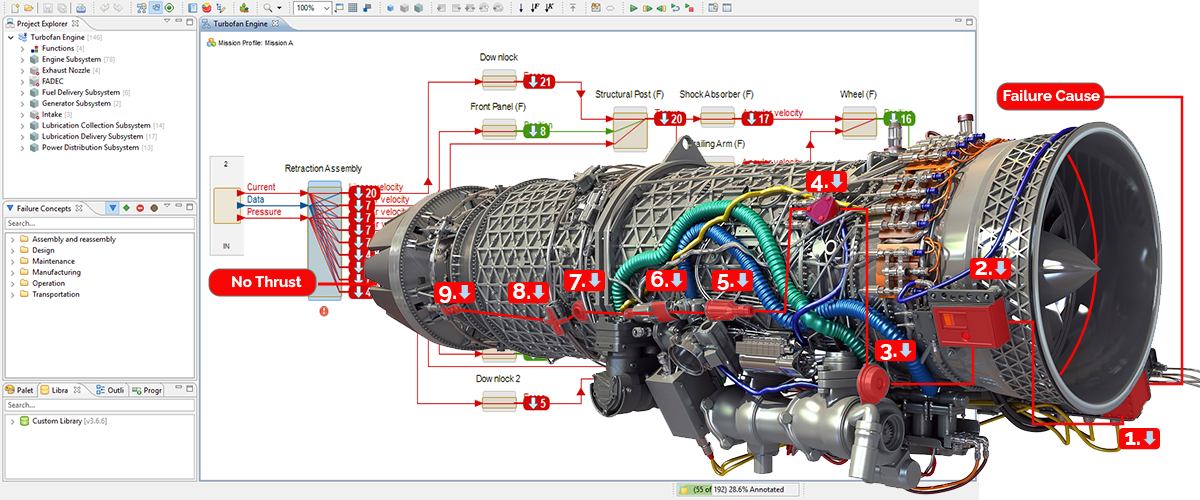
Power-up with Model-based RAM Analysis
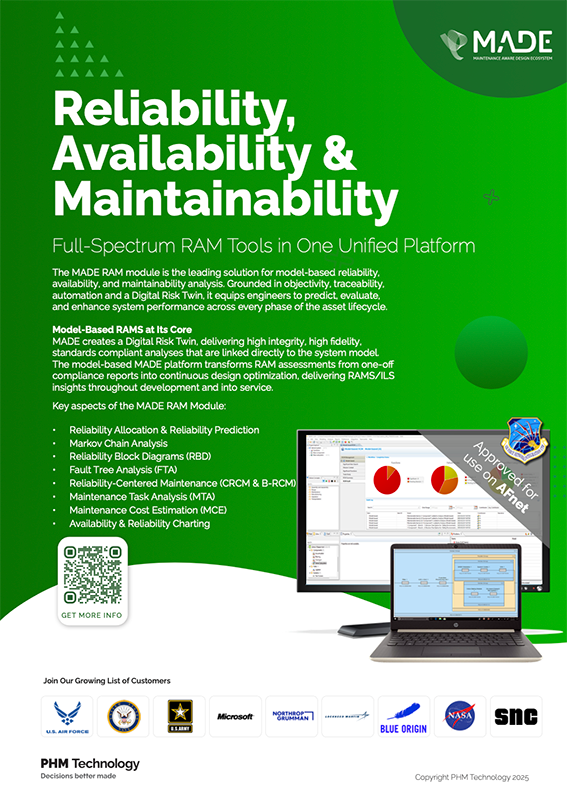
Find Out How – Download the MADE RAM Module Brochure
Click the image to download and see how MADE RAM Analysis can transforms your RAMS strategy into a competitive advantage.
Build Reliability In from the Start
Model-Based RAM Analysis in One Integrated Environment
The MADE Reliability, Availability & Maintainability (RAM) Module empowers engineers to design for performance, optimize supportability, and reduce lifecycle costs, right from the earliest stages of development. By unifying reliability predictions, maintainability analysis, and availability modeling into a single, digital workflow, this module enables rapid iteration, traceable decisions, and system wide optimization. From setting performance baselines to conducting trade studies, the RAM Module helps teams deliver robust systems that meet mission goals and stay operational longer.
Key capabilities of this module include:
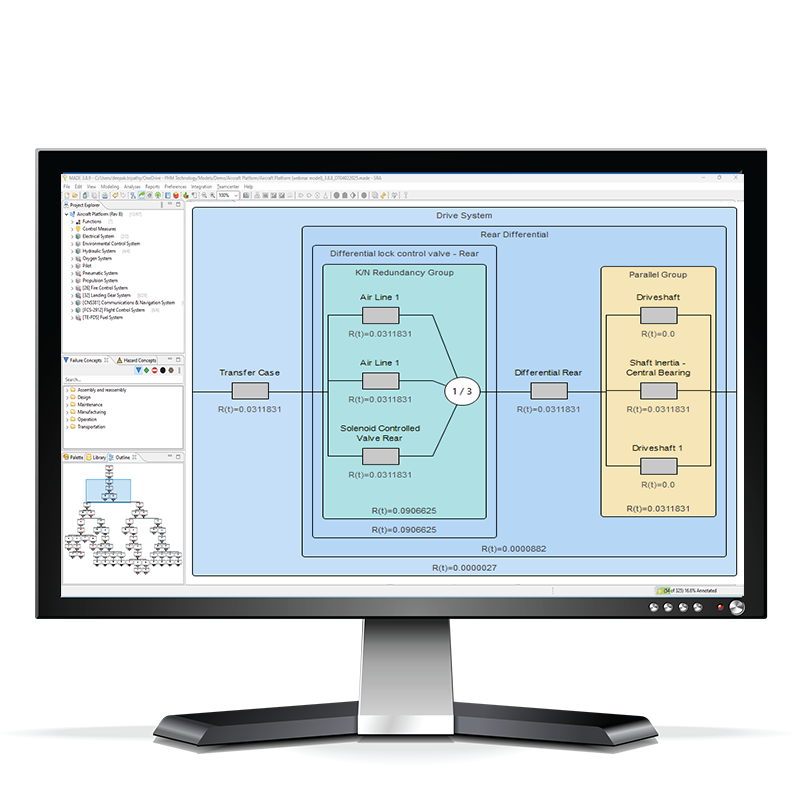
RBD Model / Dependence Diagrams (ARP4761 Rev A)
Dependency grouping and configuration of the system to model redundancy design
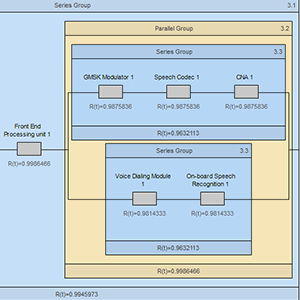
Reliability Allocation
Auto-calculates item reliability based on target system level reliability
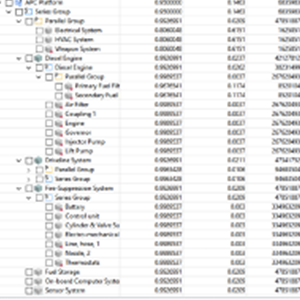
System Reliability Analysis
Auto-calculates Inherent reliability analyses of the system based on RBD and MPD
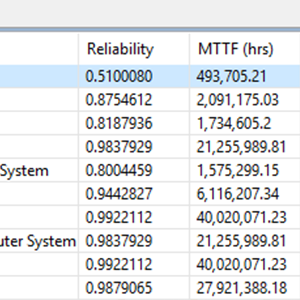
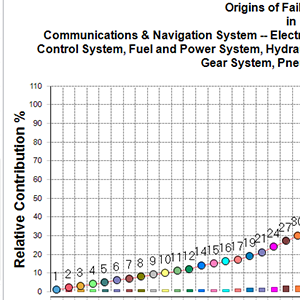
Availability / Reliability Charting
Dashboard key component / system level availability / reliability metrics
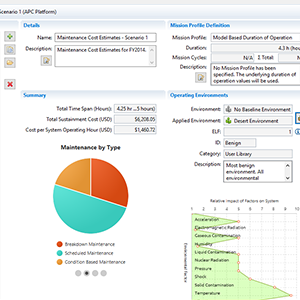
Maintenance Cost Estimates (MCE)
Calculates ‘whole of life’ system sustainment cost based on ROM reliability and maintenance parameters for each model item based on the maintenance approach
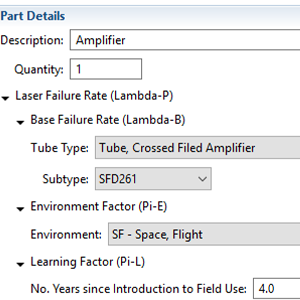
Failure Rate Prediction (FRP)
Calculate expected failure rate of components based on MIL-HDBK-217F
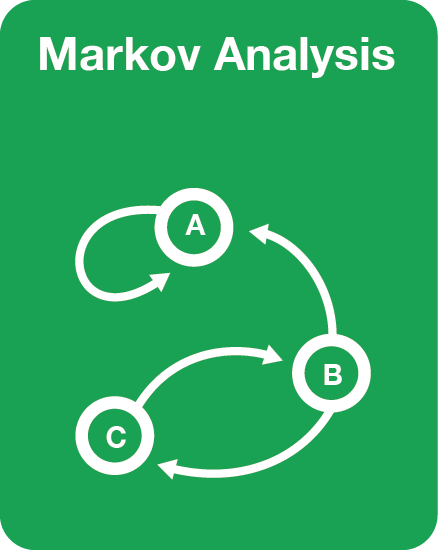
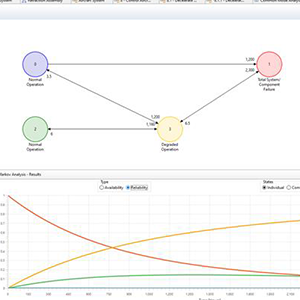
Markov Analysis
Probabilistic, time dependent reliability modelling for complex systems which have state dependent repair and failure paths
Reliability-Centered Maintenance (RCM)
Structured approach to designing a maintenance program that ensures systems continue to perform their required functions safely and reliably, by focusing on preventing or managing failures based on their criticality and impact
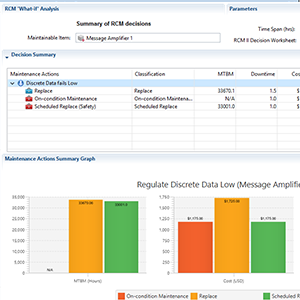
Back-fit RCM (B-RCM)
Process of applying Reliability Centered Maintenance (RCM) to an existing system or asset to improve its maintenance program based on actual operational experience
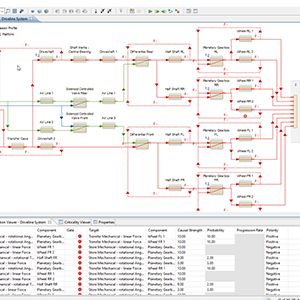
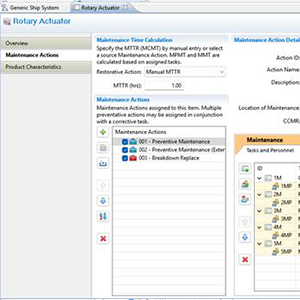
Maintenance Task Analysis (MTA)
Captures the maintenance activities associated with components and specific failures
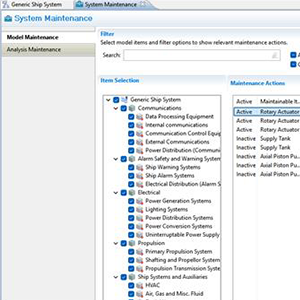
System Maintenance Actions Editor
Project level overview of maintenance actions
Start Your MADE Software Journey Today
Let’s explore how the MADE Realibility Software can transform your engineering processes
Whether you have a specific challenge in mind or just want to learn more, we’re here to help. Fill out the form below and one of our experts will get back to you shortly with insights tailored to your needs.
Related Whitepapers
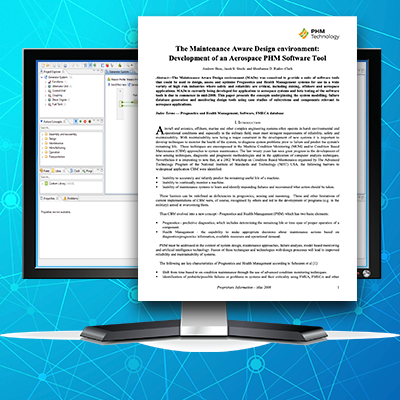
MADE: Development of an Aerospace PHM Software Tool
The Maintenance Aware Design environment (MADE) was conceived to provide a suite of software tools that could be used to design, assess and optimise Prognostics and Health Management systems for use in a wide variety of high risk industries where safety and reliability are critical, including mining, offshore and aerospace applications. MADE is currently being developed for application to aerospace systems and…
Download the paper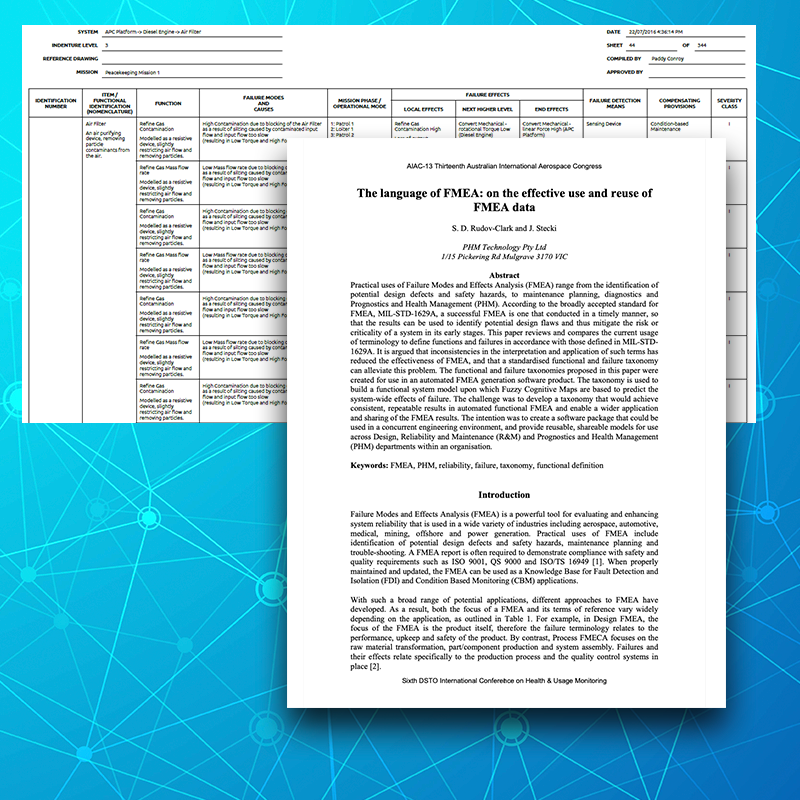
language of FMEA: effective use and reuse of FMEA data
Practical uses of Failure Modes and Effects Analysis (FMEA) range from the identification of potential design defects and safety hazards, to maintenance planning, diagnostics and Prognostics and Health Management (PHM). According to the broadly accepted standard for FMEA, MIL-STD-1629A, a successful FMEA is one that conducted in a timely manner, so that the results can be used to…
Download the paper